“silver skin” search results (400)

Processing methods of high-quality coffee technology coffee raw beans
Dry treatment (secado), also known as natural all-day exposure (natural). After the coffee fruit is actually picked, it is dried directly in the sun. According to the weather conditions, it is usually necessary to dry the coffee beans for 2 weeks, so that the water content of the coffee beans is reduced to 10%. Then the machine is used to remove the dried peel and pulp. Raw bean processing plant (beneficio) usually keeps the outside of coffee beans when raw beans are stored.
2014-12-11 Boutique Coffee Technology Raw Bean processing treatment method secado
Italian steamed coffee mechanical picking and manual picking of coffee beans
The processing methods from coffee fruit to coffee beans can be roughly classified as dry processing and wet processing. Dry processing: the coffee fruit is dried and dehydrated by natural conditions such as sunlight and ventilation, and then the dried coffee fruit is put into the peeled pulp, peel and silver skin. This method is the most economical and traditional processing method, and the coffee beans treated by this method can maintain their fragrance for a long time.
2016-05-24 Italian steam coffee machinery picking handicraft coffee beans fruit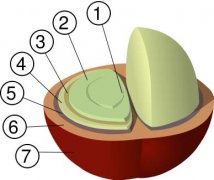
The Anatomy of Coffee-the structure of Coffee
1. Central line 2, endosperm 3, silver skin 4, endocarp (parchment) 5, gelatinous layer 6, pulp 7, outer skin
2015-06-04 Coffee anatomy structure map center endosperm silver peel endocarp parchment texture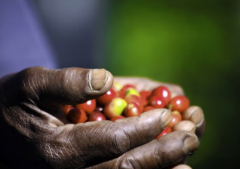
Physical changes of raw beans during heat absorption of roasted coffee beans wholesale raw bean merchants
Physical changes in roasting of raw beans change the color of coffee beans, evaporate moisture, increase their volume, and make coffee beans become brittle. Almost all people in the coffee industry regard color as the standard to measure the roasting degree of coffee, even if they are named for different roasting degrees, but there is no consensus on the roasting degree symmetrical by each name in the coffee industry. The first stage of roasting coffee beans is "roasting."
2016-06-28 Roasting coffee beans explosion beans heat absorption seasonal physical changes occurrence raw beans
Roy Korean coffee raw bean roaster GENE CAFE 3D hot air professional coffee bean roaster
Brand name: Karent Product parameters: brand: Karent Color Classification: red and Black item No.: Lloyd GENE CAFE 3D Product name: Korean original GENE CAFE 101Professional Coffee Roaster Specification: 300g case count: 1PCS one is designed for professional players, so that you can easily bake coffee beans with perfect flavor and satisfactory taste.
2016-01-05 Roy Korea coffee raw beans roaster GENE CAFE hot air special
Coffee beans must be stored in a dry environment to explain coffee bean preservation skills (2)
Two methods of coffee bean production after harvest to the market before shipment to remove the skin, pulp, skin and silver. There are two methods: drying (also known as natural method or non-washing) and washing. Dry type: The method is relatively simple. First of all, the fruit will be just picked widely spread in the sun for a week or two, until the fruit issued a cracking sound so far, natural drying. After that, with
2014-08-25 Coffee bean preservation Coffee encyclopedia Coffee knowledge
The coolest intelligent green coffee roaster LORING classic green coffee machine
Ron Kleist is the president of LORING intelligent coffee roaster factory in USA. In August 2011, I was honored to be invited by Mr. Ron kleist to visit the factory. The LORING intelligent coffee roaster solves two difficult problems that have not been solved in the traditional roaster: one is the control of the baking process, the other is the problem of smoke removal, so as to achieve smoke-free roasting. Its unique flavor locks the baking process (Flav
2015-11-21 Dazzling smart environmentally friendly coffee roaster LORING classic coffee maker
The second generation GENE CAFE hot air 3D coffee roaster imported from South Korea
South Korea imported second-generation GENE CAFE hot air 3D coffee roaster, 3D rolling design, coffee beans in the baking room with 3D stirring, coffee heated more evenly! The baking room with transparent heat-resistant glass allows you to clearly observe the roasting of coffee beans at any time! Hot air comes from a set of heating modules in an aluminum alloy shell to provide continuous and stable heat. The large baking capacity is 3.
2015-12-13 Korea original imported 2nd generation GENE CAFE hot air coffee roaster
How to make coffee beans into coffee beans how to make coffee beans delicious
The processing methods from coffee fruit to coffee beans can be roughly classified as dry processing and wet processing. Dry processing: the coffee fruit is dried and dehydrated by natural conditions such as sunlight and ventilation, and then the dried coffee fruit is put into the peeled pulp, peel and silver skin. This method is the most economical and traditional processing method, and the coffee beans treated by this method can maintain their fragrance for a long time.
2016-05-24 How coffee beans made coffee how delicious fruit add
What is the history of French coffee in the handling of coffee beans?
One step: retain 100% pectin, and then reduce the water content of raw beans to 10% 12% by either solarization or machine drying or a combination of both. Another step: according to different needs, adjust the setting of the pectin removal machine so that the parchment shell retains different proportions of pectin, and then reduce the water content of raw beans to 10% Mel 12% by either solarization or machine drying or a combination of both. Washing fermentation
2016-06-08 Coffee beans processing methods which France coffee history one step retention
Coffee carving skills the growth environment and characteristics of coffee trees
Coffee beans are fresh and green coffee raw beans, which are obtained by removing red pulp, peel and silver skin from coffee fruit. The structure of coffee fruit is composed of outer skin, pulp, endocarp, silver skin and seeds. The shape is oval, usually the fruit of coffee is composed of two oval seeds opposite each other, and the other side is flat, so it is called flat bean, but it is also made up of
2016-06-12 Coffee carving skills growth environment characteristics coffee beans coffee fruit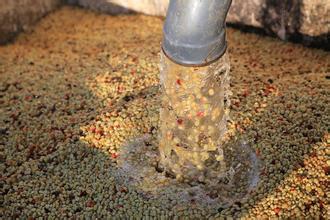
The treatment method of Coffee Bean-- the method of washing Coffee Bean
Dry treatment (secado), also known as natural all-day exposure (natural). After the coffee fruit is actually picked, it is dried directly in the sun. According to the weather conditions, it is generally necessary to dry the coffee beans for 2 weeks to reduce the water content of the coffee beans to 10%, 12%, and then use a machine to remove the dried peel and pulp. The raw bean processing plant (beneficio) usually retains the parchment shell on the outside of the coffee bean when the raw bean is stored.
2016-02-27 Coffee beans processing manipulation washing detail introduction detailed explanation treatment secad
The birth of coffee beans (3)
The coffee produced by washing or drying has its own characteristics, and there is no question of which is better or worse. However, washed coffee is generally less contaminated and defective beans, and the appearance of beans is cleaner, more uniform, and the quality is more certain, so it is highly praised by Europe and America. But appearance doesn't equal
2014-08-26 Coffee knowledge coffee bean birth coffee encyclopedia
Analysis on the advantages and disadvantages of roasting coffee beans in our own pot
The advantages of pan-frying; 1. Utensils are popular, readily available and free of charge. two。 You can clearly observe / learn every change in coffee beans during coffee roasting. 3. The process is fun and fun! The shortcomings of the pan-frying method: 1. The heat accumulation effect of the pan is poor, and the baking result is uneven. two。 It's a little tiring to keep turning the spatula. 3. Silver Silver Skin floats out
2014-12-10 Coffee beans roasting home pan-fried coffee advantages and disadvantages analysis pan-frying advantages utensils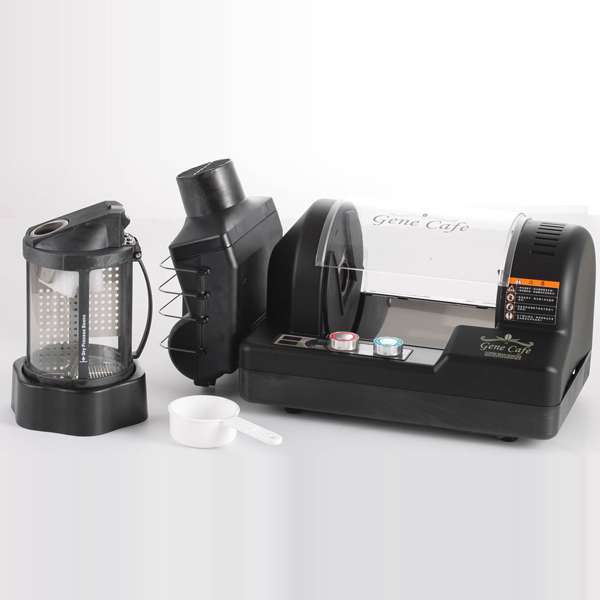
Coffee roaster: Korean roaster GENE CAFE hot air 3D coffee bean roaster 300g
Brand: Korean roaster color classification: red black roaster: 300g roaster Taiwan semi-direct roaster: coffee bean cooling plate: [product name]: Korean original GENE CAFE 3D professional coffee roaster [brand]: GENE CAFE [origin]: Korea [voltage]: 220V/60Hz [power]: 1200mm 1400W [size]: 383*243*229mm [temperature control
2015-12-17 Coffee roaster GENE CAFE hot air coffee beans 300g product
Raw bean treatment of coffee washed with water, semi-washed, insolated and honey
The first is dry treatment (secado), also known as natural all-day exposure (natural). After the coffee fruit is actually picked, it is dried directly in the sun. According to the weather conditions, it is generally necessary to dry the coffee beans for 2 weeks to reduce the water content of the coffee beans to 10%, 12%, and then use a machine to remove the dried peel and pulp. The raw bean processing plant (beneficio) usually retains the sheepskin on the outside of the coffee beans when the raw beans are stored.
2015-11-04 Coffee washing tanning processing raw beans a kind of treatment secado also known as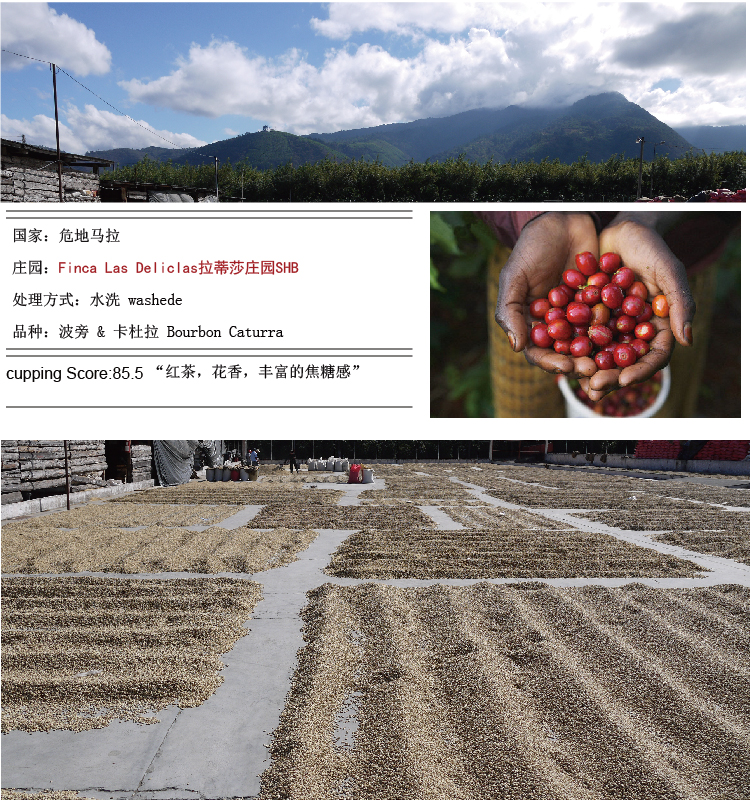
Please introduce the raw bean treatment method of coffee washing, semi-washing, sun drying and honey treatment.
The first is dry treatment (secado), also known as natural all-day exposure (natural). After the coffee fruit is actually picked, it is dried directly in the sun. According to the weather conditions, it is generally necessary to dry the coffee beans for 2 weeks to reduce the water content of the coffee beans to 10%, 12%, and then use a machine to remove the dried peel and pulp. The raw bean processing plant (beneficio) usually keeps the outside of the coffee beans when the raw beans are stored.
2016-04-14 Introduction Coffee Water washing Solar treatment Raw beans one secado
Dry treatment (natural full sun treatment), wet treatment (water washing and fermentation), semi-washing of coffee beans
Dry treatment (secado), also known as natural all-day exposure (natural). After the coffee fruit is actually picked, it is dried directly in the sun. According to the weather conditions, it is generally necessary to dry the coffee beans for 2 weeks to reduce the water content of the coffee beans to 10%, 12%, and then use a machine to remove the dried peel and pulp. The raw bean processing plant (beneficio) usually retains the parchment paper shell (par) on the outside of the coffee bean when the raw bean is stored.
2015-11-04 Coffee beans processed Natural Solar washed fermented treated secado
The growth environment and growth process of coffee trees introduce why Chinese people like Starbucks
Coffee beans are fresh and green coffee raw beans, which are obtained by removing red pulp, peel and silver skin from coffee fruit. The structure of coffee fruit is composed of outer skin, pulp, endocarp, silver skin and seeds. The shape is oval, usually the fruit of coffee is composed of two oval seeds opposite each other, and the other side is flat, so it is called flat bean, but it is also made up of
2016-06-13 Coffee growth environment process introduction Chinese why like Buck coffee
History of coffee beans birth of coffee beans 3
Different washable coffee and dried coffee the coffee produced by washing or drying coffee actually has its own characteristics, and there is no question of which is better or worse. However, generally speaking, washed coffee has less impurities and defective beans, and the appearance of beans is cleaner, neat and of certain quality, so it is well received by Europe and the United States. But appearance is not equal to
2014-09-28 Coffee knowledge coffee bean history coffee bean birth